
.jpg)
Code that counts: Meet Maventa summer trainees!
Summer is here, and so are the summer trainees! This year, Maventa is welcoming two software developer trainees, Samuel...

Poland is undergoing a significant digital transformation in its invoicing landscape, with mandatory e-invoicing for B2B transactions now implemented in phases through the National e-Invoicing System (KSeF 2.0), which launched on February 1, 2026, building upon the existing B2G framework.
.svg)
Since April 2019, all public sector entities are required to receive and process structured e-invoices compliant with the European Standard (EN 16931)
The national e-invoicing platform, PEF (Platforma Elektronicznego Fakturowania), operates within the OpenPeppol network and is used for B2G transactions
Businesses supplying goods or services to public authorities are encouraged to issue structured e-invoices compliant with EN 16931, as this guarantees acceptance.
E-invoicing is now mandatory for domestic B2B transactions through the National e-Invoicing System (KSeF 2.0), which officially launched on February 1, 2026
The implementation is phased:
February 1, 2026: Mandatory for large taxpayers (those with annual revenue exceeding PLN 200 million in 2024)
April 1, 2026: The mandate extends to all other VAT-registered taxpayers
January 1, 2027: The mandate becomes effective for micro-businesses with monthly sales under PLN 10,000 and invoices under PLN 450
KSeF 1.0 and the MCU (Certificates and Authorizations Module) ceased functioning on February 1, 2026, with businesses required to migrate to the new KSeF 2.0 Taxpayer Application
Issuing consumer (B2C) invoices through KSeF is optional. Paper or PDF invoices will remain allowed for B2C transactions
If a B2C e-invoice is issued via KSeF upon a consumer's request, it will need to be delivered outside KSeF with a QR code via a method agreed with the consumer
Since January 1, 2026, companies can issue e-invoices with attachments through KSeF, but must submit a notification through the e-Tax Office declaring their intention
Poland has adopted the European e-invoicing standard EN 16931
Peppol BIS Billing 3.0 is utilised as the national Core Invoice Usage Specifications (CIUS) for B2G transactions via the PEF platform
For B2B transactions, the KSeF 2.0 system requires invoices in its proprietary XML format FA(3), which replaced the previous FA(2) structure with the launch of KSeF 2.0 on February 1, 2026
KSeF 2.0 Launch: The production API opened on January 28, 2026, allowing businesses to perform final integration tests before the February 1 mandate took effect
E-invoices must comply with Polish VAT laws and record-keeping requirements
The archiving period for electronic invoices in Poland is 5 years. KSeF will also serve as a repository, storing electronic tax documents for up to 10 years
The KSeF system is designed to enhance VAT collection efficiency and provide greater security for commercial transactions
KSeF 2.0 Taxpayer Application: This new platform replaced the MCU (Certificates and Authorisations Module) on February 1, 2026, serving as the central hub for managing mandatory technical requirements
Digital Identity Management - The "three pillars" businesses must manage:
Migration Considerations:
Attachment Functionality: Since January 1, 2026, companies can submit invoices with attachments, but must file a notification through the e-Tax Office
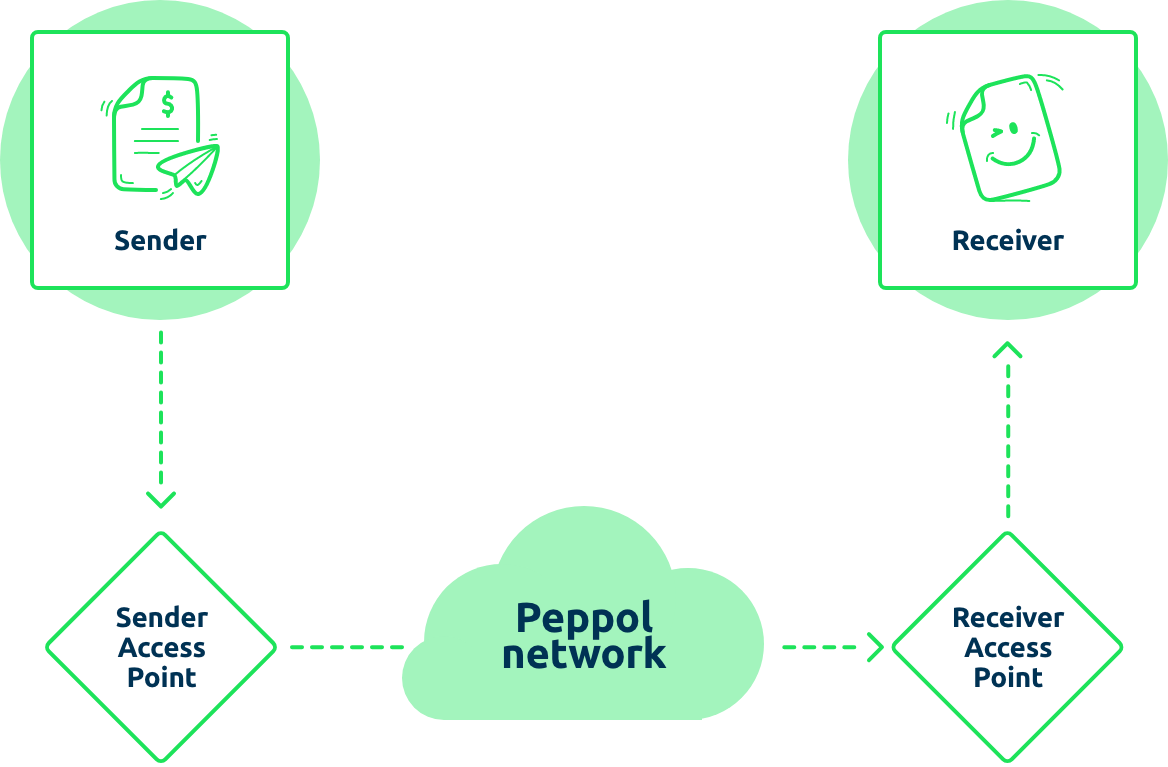
Maventa - the only Peppol Access Point you need
As a trusted and experienced Peppol service provider, we connect your software and your customers to the Peppol network safely and securely, with no extra costs.
Summer is here, and so are the summer trainees! This year, Maventa is welcoming two software developer trainees, Samuel...

Featuring Max Söderlund, Partner Manager, and Sepideh Davoudi, Product Manager at Maventa The build-or-buy question on...

Featuring Max Söderlund, Partner Manager, and Jussi Koljonen, Software Architect at Maventa Peppol has moved from a...